THE RENTERS INSURANCE LIBRARY
Does Renters Insurance Cover Car Break-Ins?
A car break-in can involve two kinds of loss: stolen belongings and damage to the vehicle. Understand which policy to check for each.
Quick answer: Renters insurance may cover personal belongings stolen from a car, subject to the policy’s terms, limits and deductible. It generally does not repair the car itself. Damage from a break-in, such as a smashed window, is usually a question for the vehicle’s comprehensive auto coverage, if you carry it.
You return to a parking lot, find broken glass and realize your bag is missing. Although everything happened at once, the missing bag and the damaged car can belong to different insurance claims. Start by separating the losses.
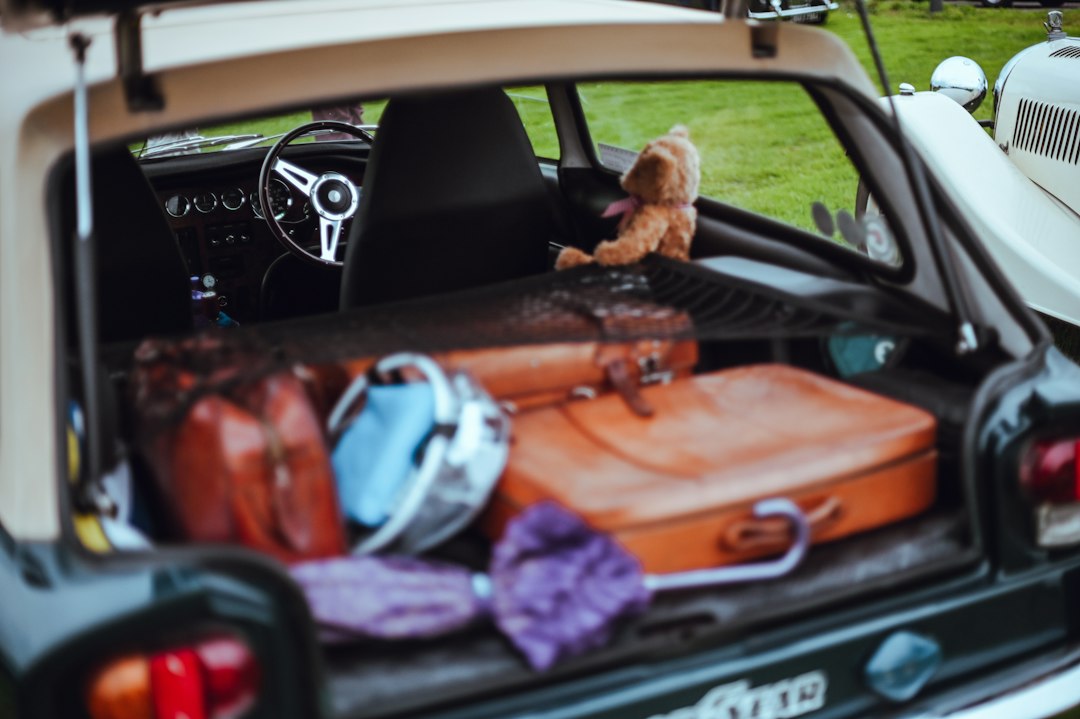
Which insurance covers which part?
| Loss | Coverage to check |
|---|---|
| Personal laptop, clothing or bag stolen from the car | Renters personal-property coverage. |
| Window or door damaged during the break-in | Auto comprehensive coverage and any applicable glass terms. |
| The car itself is stolen | Auto comprehensive coverage. |
| Installed equipment or vehicle parts are stolen | Auto policy, including any equipment-specific restrictions. |
Progressive’s auto theft guidance makes this distinction between vehicle damage and personal belongings. Liability-only auto insurance is not a substitute for comprehensive theft protection. Check the declarations page rather than relying on the informal phrase “full coverage.”
Does the car have to be parked at home?
Not necessarily. Progressive’s renters theft explanation says personal belongings stolen from a vehicle may qualify under renters coverage. However, the property must qualify under your policy, and any relevant limits, exclusions and deductible still apply.
Tell the insurer where the vehicle was parked and who owned the missing items. Flag jewelry, business equipment, borrowed belongings or anything unusually valuable rather than assuming all contents are treated the same. Read our separate guides to jewelry limits and electronics coverage for questions to raise.
Could one break-in mean two deductibles?
It can, when different policies respond. Ask each insurer to confirm its applicable deductible and whether any special terms change the calculation. A renters deductible does not automatically satisfy an auto deductible.
Here is a simplified hypothetical illustration. Assume the renters insurer accepts a $1,200 covered property loss with a $500 deductible and no limiting provision affecting that amount. The resulting payment would be $700. Separately, assume a covered $800 vehicle repair and a $250 applicable auto deductible: that payment would be $550. Those assumptions produce $750 in combined deductibles. They are not an estimate for your claim, and special glass coverage could change the auto portion.
Use the example as a worksheet: put the belongings in one column and vehicle repairs in another, then ask the relevant insurer to check the figures. Our renters deductible guide explains the property side in more detail.
What to do after a car break-in
- Make sure the area is safe. Avoid disturbing the scene unnecessarily.
- Report the theft. Keep the police report number and record when and where you discovered the break-in.
- Document both losses. Photograph visible vehicle damage and list the missing personal items separately.
- Contact the relevant insurers. Ask about reporting deadlines, required records and temporary repair instructions.
- Keep a claim folder. Include receipts, item descriptions, repair estimates and the messages you exchange.
State Farm’s claim guidance recommends reporting theft to police and keeping ownership records such as receipts, photographs and model details. The insurer reviews the evidence and policy before deciding whether payment is due.
Common follow-up questions
Will I get the price of a brand-new replacement?
That depends on the settlement terms. Ask whether the property claim uses actual cash value or replacement cost and what documentation or replacement steps are needed. A shop’s current price is not, by itself, an approved claim amount.
What if I cannot find the receipt?
Ask what other evidence is acceptable, such as an order confirmation, photograph or product registration. Explain what records you have; never create a receipt or inflate the missing-item list.
Make the next conversation easier
When you call, say clearly: “I have vehicle damage and missing personal belongings. Which parts should I report under this policy?” Keep each claim number with its own records. For the wider process, follow our step-by-step renters claim guide.
Coverage varies by policy, insurer and state. This guide provides general information; your policy and endorsements determine coverage for a claim.
KEEP EXPLORING