THE RENTERS INSURANCE LIBRARY
How to File a Renters Insurance Claim: A Step-by-Step Guide
A good claim file tells a clear story: what happened, what was affected and which records support the loss. Here is how to organize it.
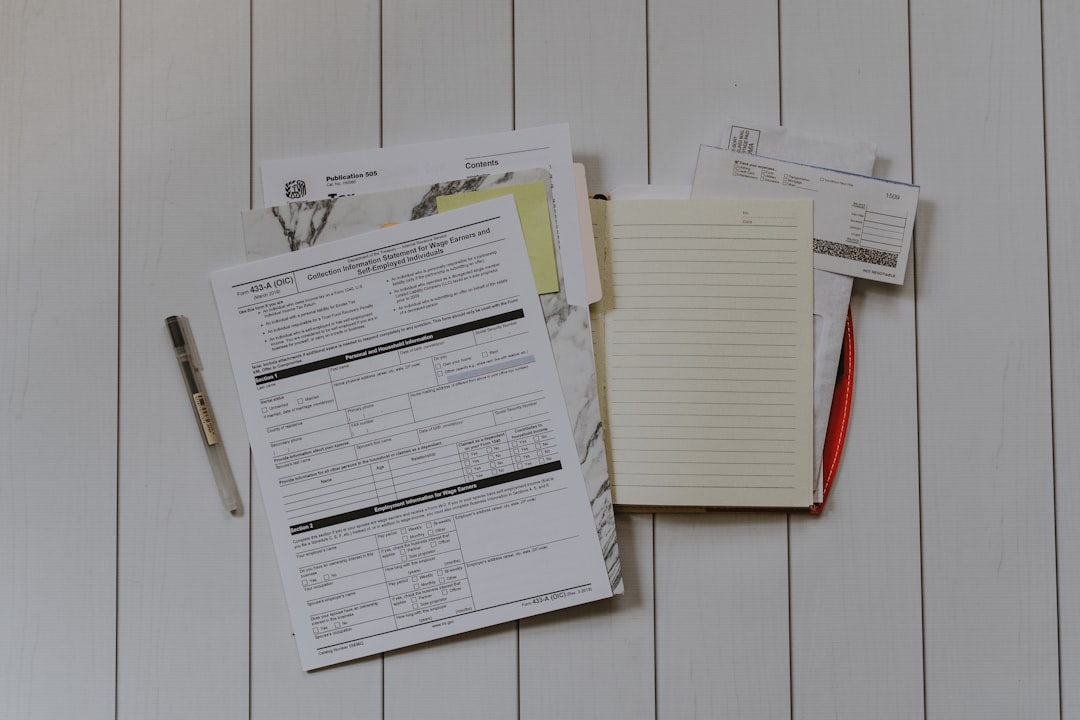
To file a renters insurance claim, address immediate safety needs, report the incident to the appropriate authorities when necessary, notify your insurer and submit a clear record of the loss. Keep the claim number, requested documents and deadlines together. The insurer then assesses coverage and the amount payable under the policy.
You do not have to sound like an insurance professional to report a claim. You do need to be accurate. A short, factual timeline and an organized inventory are more useful than a long account that mixes observations with guesses.
Handle the emergency before the paperwork
For an active fire, crime or immediate danger, contact emergency services. Follow instructions about safe entry, repairs and access. Do not go into an unsafe room just to photograph an item. You can tell the insurer that access is restricted and ask how to proceed.
Once safe, note the date, location and what you first noticed. If the time of loss is unknown, give the last-known and discovered times instead of inventing a precise hour.
Notify the insurer through its official claims route
Use the contact details in your policy, verified insurer website or official app. Ask for the claim number, the person or team handling it and the next step. Notifying the landlord is a separate task and does not necessarily notify your insurer.
The Insurance Information Institute’s filing guidance recommends prompt notification and asking about filing limits, coverage and the deductible. It also advises reporting theft or vandalism to police. Requirements and deadlines differ, so obtain the instructions that apply to your claim.
Have these questions ready: “What should I submit first? Is a formal proof-of-loss form required? Which dates should I put on my calendar? Do you need to inspect anything before repair or disposal?” Write down the answers.
Build an itemized loss record
Lemonade’s claims guide describes a record of affected items, photographs and ownership documents. Its app workflow is specific to Lemonade; other insurers may use a portal, email, forms or telephone reporting.
| Field | What to enter |
|---|---|
| Item | Specific description, make and model if known |
| Ownership and age | Who owns it and when it was obtained |
| Condition or loss | What you observed, without an unsupported diagnosis |
| Evidence | Photo, receipt, order email or another relevant record |
| Estimate | Clearly label any approximate date or value |
Keep the descriptions consistent across forms. For example, if “bedroom monitor” and “office display” are the same item, give it one reference number. This avoids accidentally duplicating a claim entry.
Keep expenses and damaged belongings separate
A property inventory and an expense log answer different questions. Put lodging, meals, emergency work and other claimed expenses in a separate list, each with its date, amount, receipt and explanation. Ask which costs require approval.
The Insurance Information Institute advises keeping relocation receipts and checking before throwing away damaged property. Where a safety issue prevents retaining an item, tell the insurer and ask what evidence is needed. Do not keep hazardous material simply to preserve a claim.
An example of a clear first report
Here is an invented reporting example, not a claim form:
“At about 6 p.m. on September 8, I returned home and found water on the living-room floor. The property manager attended that evening. My rug and the base of my bookshelf were wet. I have photographs and the maintenance reference. I have not confirmed the source of the water. Please tell me which documents and assessments you need.”
The example states the observation, affected property, available records and uncertainty. It does not guess at a hidden cause or promise that the event is covered.
Track requests and respond with the missing information
Create a simple log: date, contact, request, action taken and next deadline. Send documents through the requested secure channel and keep a copy. If something is unavailable, explain that and ask what alternative evidence would help.
For a missing receipt, you might have an order email, bank record or earlier photograph. Do not edit a document to make it look like an original receipt. Ask the insurer which alternative it can consider; acceptance is not automatic.
Read the settlement calculation
Ask for the breakdown showing covered items, valuation, deductible, limits and adjustments. Replacement-cost conditions may affect when money is payable; get the relevant explanation before assuming the first payment is the entire settlement. Our deductible guide covers the basic arithmetic.
Check the calculation against your inventory. Highlight specific discrepancies: an omitted item, incorrect quantity, wrong model or misunderstood ownership. Attach the evidence for the correction and keep the correspondence.
Common questions while a claim is open
How long will the claim take?
There is no reliable universal completion time. Ask which step is pending, who is responsible for it and when to follow up. A request for a document is different from a coverage decision.
What if the claim is denied?
Request the reason and relevant policy wording in writing. Ask about the insurer’s review process and provide any missing factual evidence. The Insurance Information Institute identifies the state insurance department as a resource for unresolved service concerns.
Should I replace everything immediately?
Ask about inspection, replacement and reimbursement conditions first. Necessary emergency decisions may be different from replacing nonessential items. Keep records and explain any urgent circumstances to the insurer.
For incident-specific preparation, see our guides to fire damage, mold and bicycle theft.
General information for U.S. renters. Follow your insurer’s requirements and applicable deadlines; this guide does not decide coverage or a dispute.
KEEP EXPLORING