THE RENTERS INSURANCE LIBRARY
Does Renters Insurance Cover Appliances and Repairs?
Find out why appliance ownership and the cause of damage matter, and how renters coverage differs from maintenance and equipment breakdown.
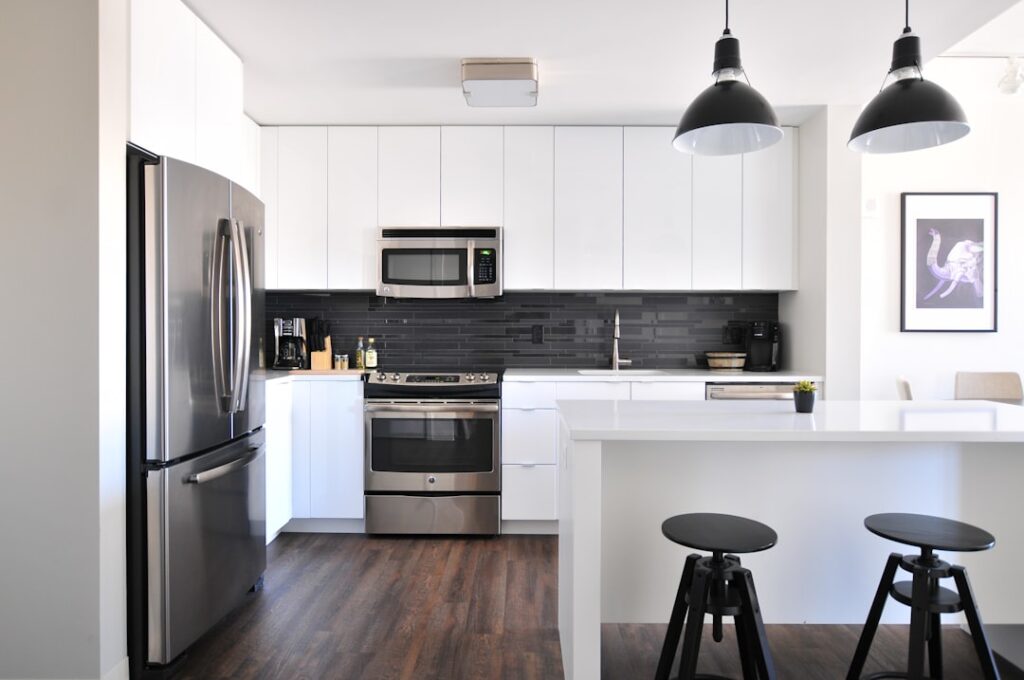
An appliance you own may be covered when a covered event damages it. A machine simply wearing out or breaking down is a different issue. First establish who owns the appliance, then identify what caused the damage.
Start with ownership
Check receipts, your move-in inventory and the lease. A refrigerator you purchased and a refrigerator supplied with the apartment can raise different insurance questions. If a previous tenant left an appliance behind, clarify ownership in writing. Do not decide ownership solely from whether the appliance is portable or built in.
Four situations to separate
| Situation | What to investigate |
|---|---|
| Your microwave is damaged in a fire | Personal property coverage for that event, limits and deductible |
| Your washer’s motor stops working | Breakdown exclusions, warranty or any equipment breakdown endorsement |
| An appliance supplied with the rental fails | Ownership, lease and the landlord’s repair process |
| Your appliance damages other property | The cause of loss and any separately applicable property or liability coverage |
Lemonade’s appliance guide distinguishes covered events from wear, maintenance and mechanical failure. Its product descriptions do not establish what another insurer’s policy covers.
Insurance is not an appliance service contract
A repair invoice does not by itself establish an insured loss. Identify the failure, the affected property and the relevant coverage section. A landlord-owned appliance is not automatically your personal property; responsibility for repair can also involve the lease and applicable local rules. Get a specific answer before paying for or authorizing major repairs.
What about equipment breakdown coverage?
Some insurers offer optional coverage for certain mechanical or electrical breakdowns. Availability, eligible equipment and exclusions differ. Request the endorsement and ask about its deductible, wear-and-tear exclusion and any age or maintenance conditions. Compare those written terms with an existing warranty or service plan.
Would a property claim pay anything?
Check the deductible before assuming a reimbursement. For an invented example, an eligible appliance loss valued at $350 would not produce a payment under a $500 deductible if no different rule applies. A $1,400 eligible loss under the same simple assumptions leaves $900 after the deductible. These figures illustrate subtraction only; they are not insurer quotes or valuations.
Read Progressive’s explanation of renters deductibles, then confirm the terms in your own policy.
What to gather before calling
- The appliance’s make, model and serial number.
- A purchase receipt or other evidence of ownership.
- The date and description of the incident.
- Photographs, if safe, and any technician’s written diagnosis.
- Your policy documents, lease and warranty information.
Ask what the insurer needs before repair or disposal. If there is an immediate electrical, gas or water hazard, prioritize safety and contact the appropriate emergency or maintenance service.
Put the appliance question in context
A renters policy has several coverage sections. Our renters insurance guide explains the overall structure. Moving an appliance off-site introduces another question: coverage for belongings in storage.
General information for U.S. renters, not a decision about an individual claim or a landlord’s legal obligations.
KEEP EXPLORING