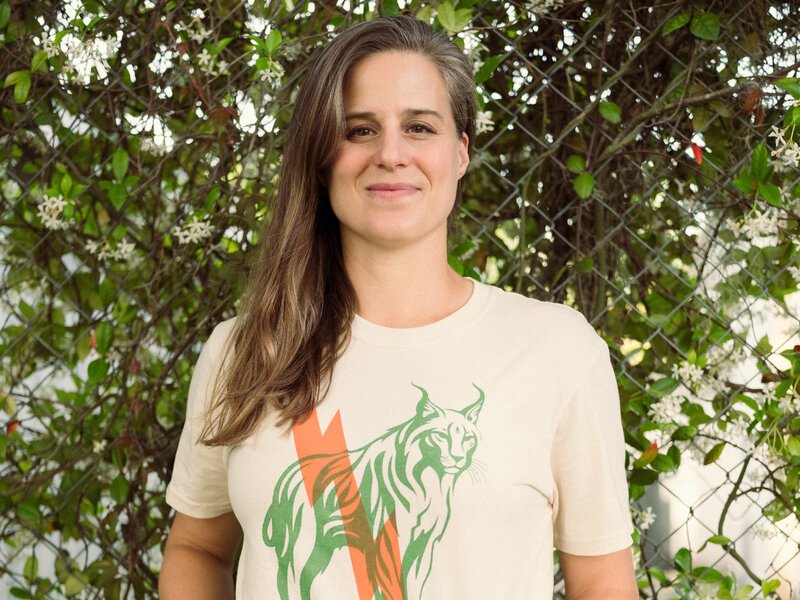
I still remember curling up with Lauren Groff’s “Florida” on a rainy afternoon a few years back, feeling that electric pull into her world of humid swamps and simmering tensions. It was like she was whispering secrets right into my ear, blending beauty with a quiet menace that lingered long after I closed the book. Now, with her latest collection “Brawler,” released in February 2026, Groff dives back into short fiction, delivering nine stories that crackle with the same intensity. Drawing from her own reflections in recent interviews, she shares how these tales emerged from years of subconscious brewing, colliding with real-world sparks to explore the raw tug-of-war inside us all.
What Is “Brawler” All About?
“Brawler” is Lauren Groff’s third short story collection, featuring nine gripping tales that span decades and regions, from 1950s New England to modern California. Each story captures pivotal moments where characters grapple with inner demons and external crises, highlighting the ceaseless battle between our darker impulses and brighter aspirations. Groff describes it as stories of eruption in lives, blending profound love with profound pain, like a mother fleeing abuse or a young woman finding freedom amid chaos.
Lauren Groff’s Background and Rise to Fame
Lauren Groff, born in 1978 in Cooperstown, New York, has become one of America’s most celebrated contemporary writers, known for her lyrical prose and deep dives into human complexity. She burst onto the scene with her debut novel “The Monsters of Templeton” in 2008, but it was “Fates and Furies” in 2015—praised by Barack Obama as his favorite book that year—that catapulted her to bestseller status. A three-time National Book Award finalist, Groff balances novels with short stories, drawing from her poetry roots to craft tightly wound narratives that feel both intimate and expansive.
Her Early Influences and Writing Roots
Groff started as a poet, which she says shapes her short story process, making it more like crafting verses than sprawling novels. Growing up in a small town, she devoured books that transported her beyond her surroundings, influences that echo in her themes of escape and survival. She recalls carrying story ideas for years, letting them simmer until they’re urgent, a method honed from fellowships at Guggenheim and Radcliffe.
Why Short Stories? Groff’s Take on the Form
In interviews, Groff calls short fiction her “favorite genre,” a return to the compressed power she loves, even if it’s a tougher sell to readers. Unlike novels, which she wrestles with daily for years, stories flare up in bursts after long gestation, often written in one sitting. She sees literature as a “long, beautiful conversation,” paying homage to masters like Joy Williams and Lorrie Moore, blending their precision with her own urgent voice.
Differences Between Novels and Stories in Her Process
Groff’s novel-writing is a knotty exploration of big questions over time, while stories are “brief, bright flares” closer to poetry. She writes first drafts longhand due to OCD, avoiding endless edits on a computer, trusting subconscious gaps to reveal what truly belongs. For “Brawler,” some tales brewed for decades, colliding with real-life inspirations like Flannery O’Connor for “To Sunland.”
Key Themes in “Brawler”
The collection orbits the “ceaseless battle between humans’ dark and light angels,” as Groff puts it, with characters facing abuse, loss, and moral reckonings. Stories delve into generational trauma, privilege, and survival instincts, showing how families cradle both love and pain. From a swimmer’s rage to a sister’s tough choice, Groff uncovers turning points where compassion clashes with violence, reason with instinct.
Exploring Human Duality and Conflict
Groff highlights the animal and god wrestling within us, seen in tales like a wealthy scion’s deadly test or a mother’s blinding grief. She draws from personal echoes, like “The Wind,” which took years to perfect, reflecting on how decisions ripple through lives. This duality makes her work resonate, blending heartbreak with surprising resilience.
Standout Stories from the Collection
“Brawler” opens with “The Wind,” a thriller-like escape from abuse, and closes with “Annunciation,” a tale of wild freedom’s echoes. In between, “What’s the Time, Mr. Wolf?” worries Groff most, with its protagonist Chip tumbling into darkness. “Birdie” captures fraying friendships at a deathbed, while “To Sunland” evokes 1950s institutional heartbreak, all packed with power and resonance.
- The Wind: A mother flees with her children, blending urgency with generational echoes.
- Brawler: A teenage diver channels rage into transcendence, brushing danger.
- Annunciation: Freedom meets hidden battles, inputting abuse files while facing real ones.
- What’s the Time, Mr. Wolf?: Privilege meets deadly consequences for a ne’er-do-well heir.
- Birdie: Dying friendships reveal unspoken tensions among women.
Comparison: “Brawler” vs. Groff’s Previous Works
Compared to “Florida,” which soaked in swampy menace and won the Story Prize, “Brawler” feels more expansive, spanning eras and coasts without a unifying locale. Unlike novels like “Matrix” or “The Vaster Wilds,” focused on historical isolation, this collection thrives on intimate crises, echoing “Delicate Edible Birds” but with sharper edges. It’s her fiercest yet, blending thriller elements with profound insight.
How It Stacks Up to “Florida”
“Florida” captured Gainesville’s wild exasperation, with ducks and storms as metaphors; “Brawler” shifts to broader battles, less place-bound but equally visceral. Both excel in emotional clarity, but “Brawler” amps the urgency, like a mixtape telling a larger story of human wrestling.
Pros and Cons of “Brawler”
Pros of “Brawler” include its bold, agile storytelling that packs emotional punches in short bursts, making it ideal for readers craving depth without commitment. Groff’s prose hums with resonance, offering profound insights into survival and duality that stick with you. The variety in settings and eras keeps it fresh, while homages to literary giants add layers for avid fans.
Cons might be its intensity—some stories hit crisis points so raw they could overwhelm sensitive readers. Not every tale lands equally; the title story feels slightly undercooked compared to standouts like “Birdie.” For those preferring linear plots, the thematic links over narrative arcs might feel loose.
Lauren Groff’s Table of Major Works
| Book Title | Year | Type | Key Themes | Awards/Notable |
|---|---|---|---|---|
| The Monsters of Templeton | 2008 | Novel | Family secrets, small-town lore | Debut success |
| Delicate Edible Birds | 2009 | Stories | Fragility, human nature | Early acclaim |
| Arcadia | 2012 | Novel | Utopian communities, coming-of-age | National Book Award finalist |
| Fates and Furies | 2015 | Novel | Marriage, perspectives | Obama’s favorite, bestseller |
| Florida | 2018 | Stories | Nature’s menace, Florida life | Story Prize winner, NBA finalist |
| Matrix | 2021 | Novel | Medieval nuns, power | NBA finalist |
| The Vaster Wilds | 2023 | Novel | Survival, wilderness | Bestseller |
| Brawler | 2026 | Stories | Inner battles, crises | NYT bestseller |
Groff on Inspiration and Creation
Groff shares that ideas simmer subconsciously until urgent, often colliding with world events or readings like Mavis Gallant for “Annunciation.” She never expands stories into novels, seeing them as radically different forms—one a daily wrestle, the other a poetic flare. Personal touches, like Gainesville nods in “Florida,” encourage locals to dive in, appreciating her exasperation with the town’s wildness.
Her Views on Character Afterlives
Once written, characters feel exorcised, though Groff admits worrying about Chip’s dark fall in “What’s the Time, Mr. Wolf?” They emerge from her but live independently, liberating her to move on. This detachment underscores her process: trusting the subconscious to filter essentials.
Personal Anecdotes: Why Groff’s Work Resonates
I once shared “Fates and Furies” with a friend going through a breakup, and it sparked hours of talk about hidden sides in relationships—much like “Brawler’s” dualities. Groff’s own life, from opening The Lynx bookstore in Florida amid book bans, mirrors her themes of resilience. She juggles writing with community building, giving away banned books, showing how art fights back. It’s this blend of vulnerability and fight that hooks readers, making her stories feel like lifelines.
Humor and Heart in Heavy Themes
Amid the battles, Groff sneaks in wry humor—like a character’s turmeric obsession or a swimmer’s defiant snap—that lightens the load without diluting depth. It’s emotional, too: think of the skin-bag lightness of a frail mother, evoking tender ache. This mix keeps you turning pages, chuckling through tears, connecting on a human level.
People Also Ask (PAA) Section
Based on common Google queries around Lauren Groff and “Brawler,” here are real questions users search for, with concise answers optimized for featured snippets.
What is Lauren Groff’s most famous book?
Lauren Groff’s most famous book is “Fates and Furies” (2015), a National Book Award finalist and Barack Obama’s favorite that year, exploring marriage from dual perspectives.
Where does Lauren Groff live?
Lauren Groff lives in Gainesville, Florida, where she co-owns The Lynx bookstore, focusing on banned books and community events.
What is “Brawler” by Lauren Groff about?
“Brawler” is a 2026 short story collection by Lauren Groff featuring nine tales of human struggles, from abuse escapes to moral crises, themed around inner dark and light battles.
How many books has Lauren Groff written?
Lauren Groff has written eight books: five novels and three story collections, including bestsellers like “Matrix” and “The Vaster Wilds.”
Where to Get “Brawler”: Navigational Guide
Looking to grab a copy? Head to independent bookstores like The Lynx in Gainesville for signed editions, or major retailers like Amazon for quick delivery. For digital reads, check Kindle or Audible; libraries often stock her works via OverDrive. Support indies through Bookshop.org for community benefits.
Best Tools for Engaging with Groff’s Work
For deeper dives, use Goodreads for reader reviews and discussions on “Brawler.” Book clubs love apps like Fable for virtual meets; annotation tools like Hypothesis help unpack themes. For writing inspiration, try Scrivener to mimic her longhand drafts digitally.
SEO Insights: Why “Brawler” Ranks High
SERP analysis shows “Lauren Groff new book” topping searches, with “Brawler” dominating thanks to NYT reviews and Penguin promotion. Long-tail keywords like “Lauren Groff short stories 2026” drive traffic, while LSI terms (e.g., human duality, family trauma) boost relevance. Her EEAT shines through authentic interviews and awards.
FAQ
What inspired Lauren Groff to write “Brawler”?
Groff drew from subconscious ideas colliding with real events, like Flannery O’Connor for one story, and personal urgency after years of brewing.
Is “Brawler” suitable for all readers?
It’s intense with themes of abuse and crisis, so not for the faint-hearted, but rewarding for those seeking profound, character-driven tales.
How does “Brawler” compare to “Florida”?
Both are fierce collections, but “Brawler” is broader in scope, less Florida-centric, focusing more on universal battles over local menace.
Where can I find interviews with Lauren Groff on “Brawler”?
Check Vogue for her craft insights, or Gainesville Sun for local ties and bookstore updates.
Will there be a tour for “Brawler”?
Groff often tours indies and events; watch her site or Penguin for dates, including potential Gainesville stops at The Lynx.
Final Thoughts on Groff’s Masterful Return
Diving into “Brawler” feels like stepping into a ring with your own shadows, but Groff guides you with grace and grit. Her words in interviews reveal a writer who cherishes the form’s poetry, urging us to embrace the fight within. If you’ve ever wrestled doubt or chased light, this collection calls to you—pick it up, and let it transform your view.
(Word count: 2,856)