THE RENTERS INSURANCE LIBRARY
Does Renters Insurance Cover Broken Windows or Carpet Damage?
Learn when renters insurance may cover broken windows or carpet damage, when the landlord pays, and how liability and deductibles affect a claim.
Quick answer: Renters insurance generally does not pay to repair the landlord’s window or carpet simply because it is worn, old or accidentally damaged. It may help when you are legally liable for sudden damage, when a covered event damages your belongings, or when vandalism or another covered loss affects insured property. The cause of damage, ownership of the item and policy wording decide the result.
A cracked pane and a stained carpet look like property problems, but the correct insurance path can be very different. First identify who owns the damaged item, what caused the loss and whether the lease makes the tenant responsible.
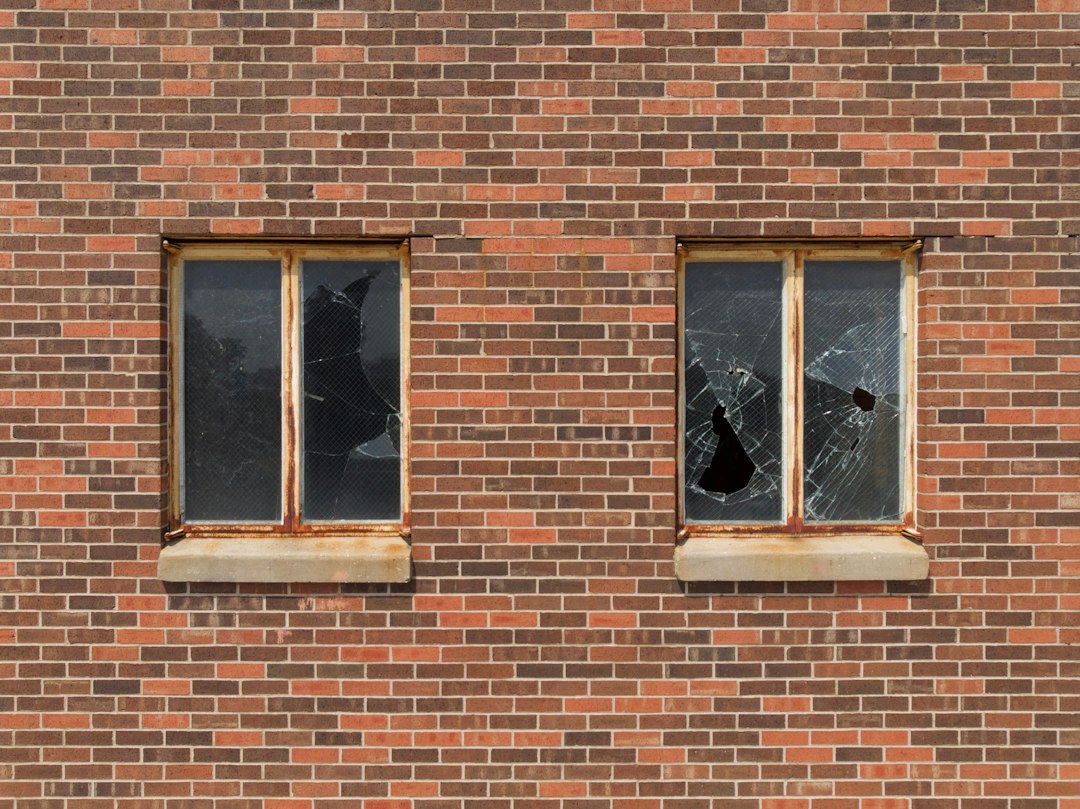
Windows and installed carpet usually belong to the landlord
Renters insurance is designed primarily around the tenant’s personal property, personal liability and additional living expenses. Building components—such as installed windows, walls and wall-to-wall carpet—normally belong to the property owner. The landlord’s building policy may insure the structure, but it can still seek payment from a tenant who negligently caused damage.
The Insurance Information Institute’s renters insurance overview distinguishes a renter’s belongings and liability protection from insurance on the building itself.
When might a broken window be covered?
Possible outcomes depend on the event:
- Storm or building defect: notify the landlord; structural repair is generally the owner’s responsibility, subject to the lease and local law.
- Burglary or vandalism: the landlord may repair the window, while renters insurance may address stolen or damaged personal property after the deductible.
- You accidentally break it: your liability coverage might respond if you are legally responsible, but policies can restrict damage to property rented to or occupied by an insured.
- A guest breaks it: responsibility and applicable insurance depend on the facts and policy definitions.
Do not promise reimbursement to the landlord before reporting the facts to the insurer.
Does renters insurance cover carpet damage?
Ordinary wear, fading, traffic marks and deterioration are maintenance issues rather than sudden insured losses. Spills, pet damage, burns or moving damage may be charged under the lease, but renters insurance does not automatically reimburse every charge.
Liability coverage may be relevant if a covered occurrence makes you legally responsible. However, exclusions for property in your care, custody or control and damage to rented premises can change the answer. Ask the adjuster to cite the provision that applies.
Security deposit versus an insurance claim
A landlord may deduct permitted damage costs from the security deposit without the loss becoming an insured claim. Insurance and landlord-tenant accounting are separate systems. Request an itemized statement, photographs and invoices, and compare them with the move-in inspection.
Depreciation also matters. Charging full replacement cost for an old carpet may not be permitted everywhere; local law and the lease control. For a dispute, seek qualified local housing advice.
What to do after discovering damage
- Prevent further injury without making unsafe repairs.
- Photograph the area and record when and how the damage occurred.
- Notify the landlord promptly using the method required by the lease.
- Report theft or vandalism to police when appropriate.
- Ask the insurer whether property, liability or another coverage could apply.
- Keep estimates, invoices and written communications.
Will the deductible apply?
A property claim commonly has a deductible; liability claims may be handled differently. Do not assume a $300 repair is worth filing against a $500 property deductible. Ask which coverage applies before comparing the damage amount with the deductible. Our renters insurance deductible guide explains the calculation.
Common reasons a claim is denied
- The damage is wear and tear or maintenance.
- The item belongs to the landlord and no covered liability applies.
- The cause is excluded or not sudden.
- The cost is below the deductible.
- The policy was not active at the time.
- The claimant cannot document the event or amount.
Frequently asked questions
Does renters insurance cover a window broken during a burglary?
It may cover stolen or damaged belongings if theft is covered, while the landlord normally handles the building window. Confirm both responsibilities before paying.
Does it cover pet-damaged carpet?
Often not automatically. Pet damage, repeated damage and property under the tenant’s control may be limited or excluded. Review the liability section and lease.
What if a pipe leak ruins the carpet and my furniture?
The landlord may address the building component; your policy may cover insured belongings if the cause is covered. Read our broader renters insurance coverage guide.
Bottom line
Do not start with “Is the window covered?” Start with ownership, cause and legal responsibility. Those three facts determine whether the matter belongs with the landlord, the security deposit, your property coverage or personal liability.
Coverage and tenant obligations vary by policy, lease and state. This is general information, not legal or insurance advice.
KEEP EXPLORING