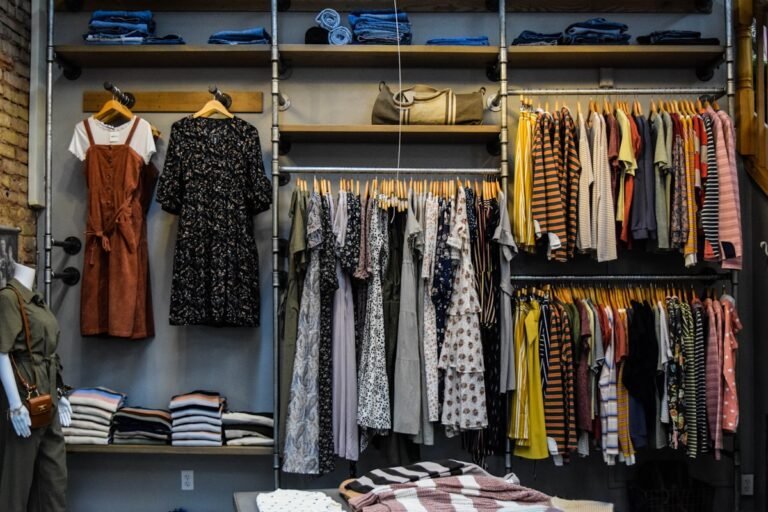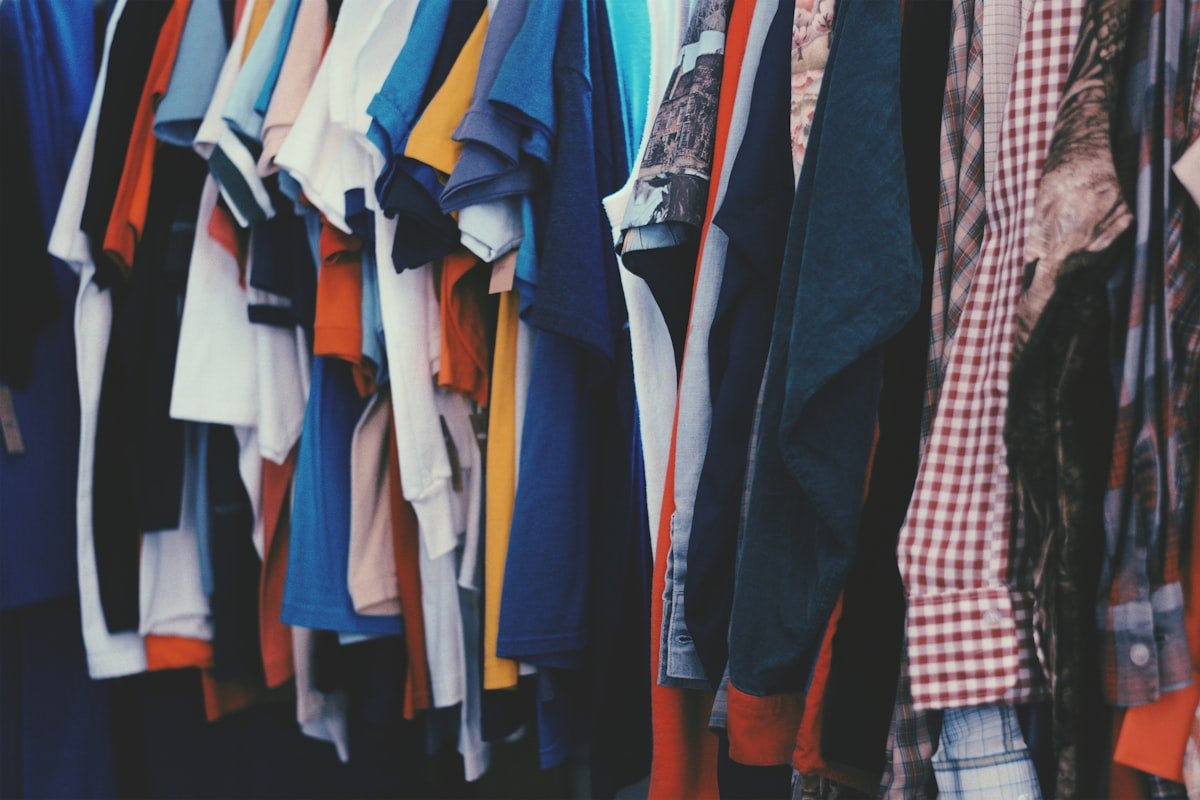
Sustainable fashion has moved from a niche concern to a mainstream conversation, and for good reason. The clothing industry has a significant environmental footprint, and how we shop has real consequences. The encouraging part is that being a more conscious shopper does not require perfection or a complete wardrobe overhaul. It simply requires awareness and a few thoughtful habits.
Here is what every shopper should understand about sustainable fashion and how to put it into practice.
What Sustainable Fashion Actually Means
Sustainability in fashion is a broad term, and understanding its main pillars helps you make better decisions.

Environmental and Ethical Dimensions
Truly sustainable fashion considers both the planet and people. That includes the materials used, the resources consumed in production, how garments are disposed of, and whether the workers who made them were paid fairly and treated well. A genuinely responsible brand pays attention to the entire supply chain.
Quality and Longevity
One of the most overlooked aspects of sustainability is durability. A well-made garment that lasts for years is far more sustainable than a cheap one replaced every season, regardless of the materials. Buying less and buying better is the heart of slow fashion.
How to Spot Greenwashing
As sustainability sells, some brands exaggerate or fabricate their eco-credentials. Learning to read between the lines protects you from misleading marketing.
Look for Specifics, Not Slogans
Vague claims like eco-friendly or conscious mean little on their own. Trustworthy brands back up their statements with details: specific materials, certifications, supply-chain information and measurable goals. If a brand cannot explain why a product is sustainable, treat the claim with skepticism.
Beware the “Sustainable” Collection
A small green capsule from a company that otherwise produces enormous volumes of disposable clothing is often more marketing than meaningful change. Look at the brand’s overall practices, not just one highlighted line.

Practical Ways to Shop More Consciously
You do not need to throw out your wardrobe to make a difference. The most sustainable garment is the one you already own, so start by caring for and wearing your existing clothes longer. Repair small damage, wash less often and store items properly to extend their life.
When you do shop, buy with intention. Choose versatile pieces you will wear many times, favor natural and durable fabrics, and consider secondhand and vintage options, which keep clothing in circulation and out of landfills. Supporting smaller, transparent brands and asking questions about how products are made sends a clear signal to the wider industry.
Understand Fabric Choices
Knowing a little about materials makes you a sharper shopper. Natural fibers like organic cotton, linen, hemp and responsibly sourced wool generally have a smaller footprint and biodegrade more readily than synthetics. Recycled materials, including recycled polyester and nylon, give existing resources a second life. That said, no fabric is perfect, and the most sustainable choice is often simply the garment you will wear the longest. Reading labels and choosing quality construction matters as much as the fiber itself.
Extend the Life of Your Clothes
How you treat a garment after you buy it has an enormous impact on its overall footprint. Washing in cold water, air drying when possible and following care labels all extend a garment’s life and reduce energy use. Learning a few basic repairs, such as sewing a button or fixing a small seam, keeps clothes in rotation far longer. When an item truly reaches the end of its life, donating, reselling or recycling it keeps it out of landfill and closes the loop.
Progress Over Perfection
No one shops sustainably all the time, and that is okay. The goal is not perfection but progress. Every conscious choice, from buying secondhand to keeping a beloved coat for another decade, adds up to a real difference over time.
By understanding what sustainability truly means, recognizing greenwashing and shopping with intention, you can build a wardrobe that aligns with your values while still expressing your personal style. Conscious fashion is not about owning less for its own sake; it is about valuing what you own.
Key takeaway: Sustainable fashion is about progress, not perfection. Wear what you already own for longer, learn to spot vague greenwashing claims, choose durable fabrics and quality construction, and consider secondhand whenever you can. Every conscious choice adds up, and the most sustainable garment is almost always the one already in your closet.
About the Author