Small spaces have a unique charm, but they also come with real design challenges. The good news is that with the right approach, a compact apartment or cozy room can feel just as open, functional and stylish as a much larger home. It is all about working smarter, not bigger.
These current decor trends are especially flattering for small spaces, helping you maximize every square foot without sacrificing personality.
Use Light and Color to Open Up the Room
Nothing makes a small space feel larger than light, both natural and reflected. Color choices and clever placement can dramatically change how spacious a room feels.
Lean Into Light, Warm Neutrals
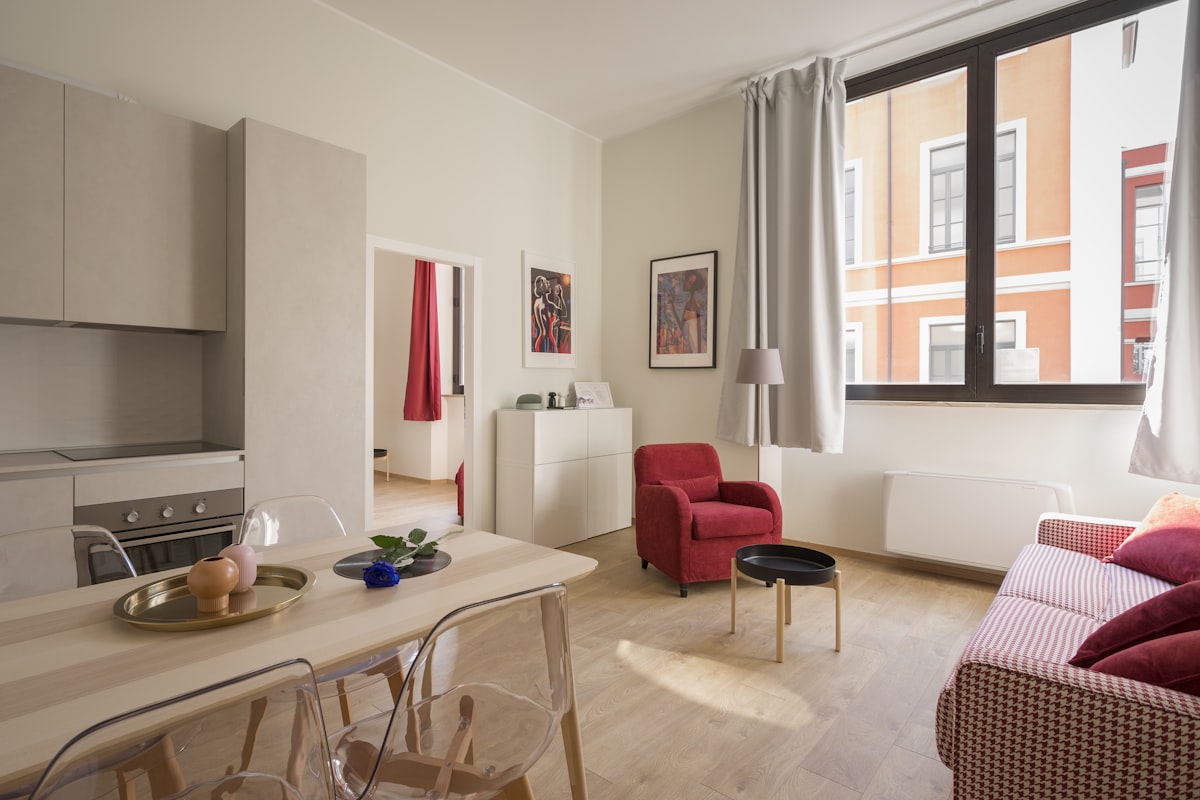
Soft whites, warm beiges and gentle greiges reflect light and create a seamless, airy feel. Painting walls, trim and even ceilings in similar tones blurs the boundaries of a room and makes it read as larger.
Add Mirrors Strategically
A large mirror placed opposite a window doubles the natural light and creates the illusion of depth. Mirrored or glass furniture works on the same principle, taking up visual space without feeling heavy.
Choose Multifunctional, Right-Sized Furniture
In a small space, every piece of furniture needs to earn its keep. The trend toward multifunctional design has never been more useful.
Furniture That Does Double Duty
Storage ottomans, extendable dining tables, sofa beds and nesting tables let you adapt a room to different needs throughout the day. A bed frame with built-in drawers can replace an entire dresser, freeing up valuable floor space.
Scale Matters
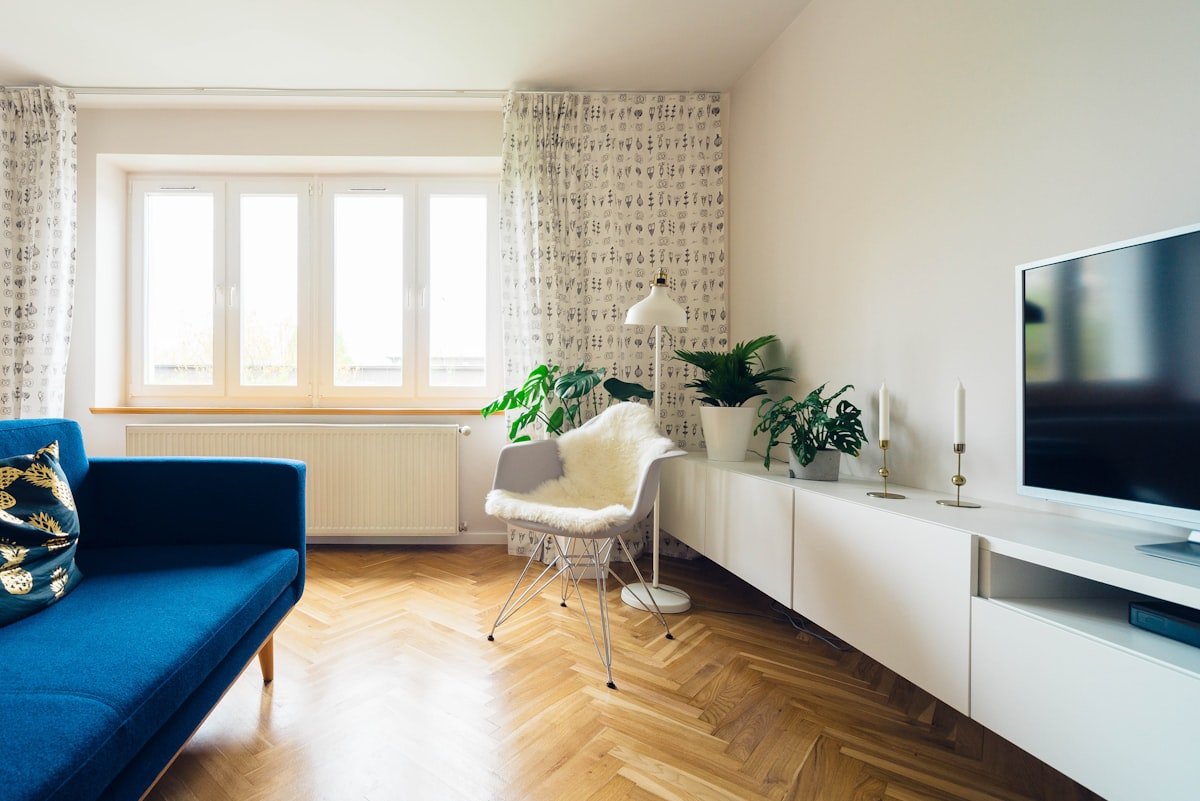
Oversized furniture overwhelms a small room. Instead, choose pieces with legs that lift them off the floor, which keeps sightlines open and the space feeling lighter. Leave breathing room around furniture rather than pushing everything against the walls.

Go Vertical and Curate With Intention
When floor space is limited, look up. Vertical storage and decor draw the eye upward and make ceilings feel taller. Tall, narrow shelving, wall-mounted hooks and floating shelves add function without crowding the floor. Hanging curtains close to the ceiling rather than at the top of the window frame creates a similar height-boosting effect.
Just as important is restraint. Small spaces feel chaotic when overfilled, so curate your decor carefully. Choose a few meaningful pieces, embrace some negative space, and keep surfaces relatively clear. A single statement plant, a piece of art you love and good lighting often do more than a dozen small knick-knacks.
Define Zones in an Open Layout
In studios and open-plan spaces, the lack of walls can make a home feel like one undefined area. The trend toward zoning solves this elegantly. A rug can anchor a seating area, a slim console can separate a bedroom nook from a living space, and an open bookshelf can divide a room while still letting light pass through. Defining zones gives each part of your home a clear purpose, which paradoxically makes a small space feel larger and more organized.
Bring in Greenery and Life
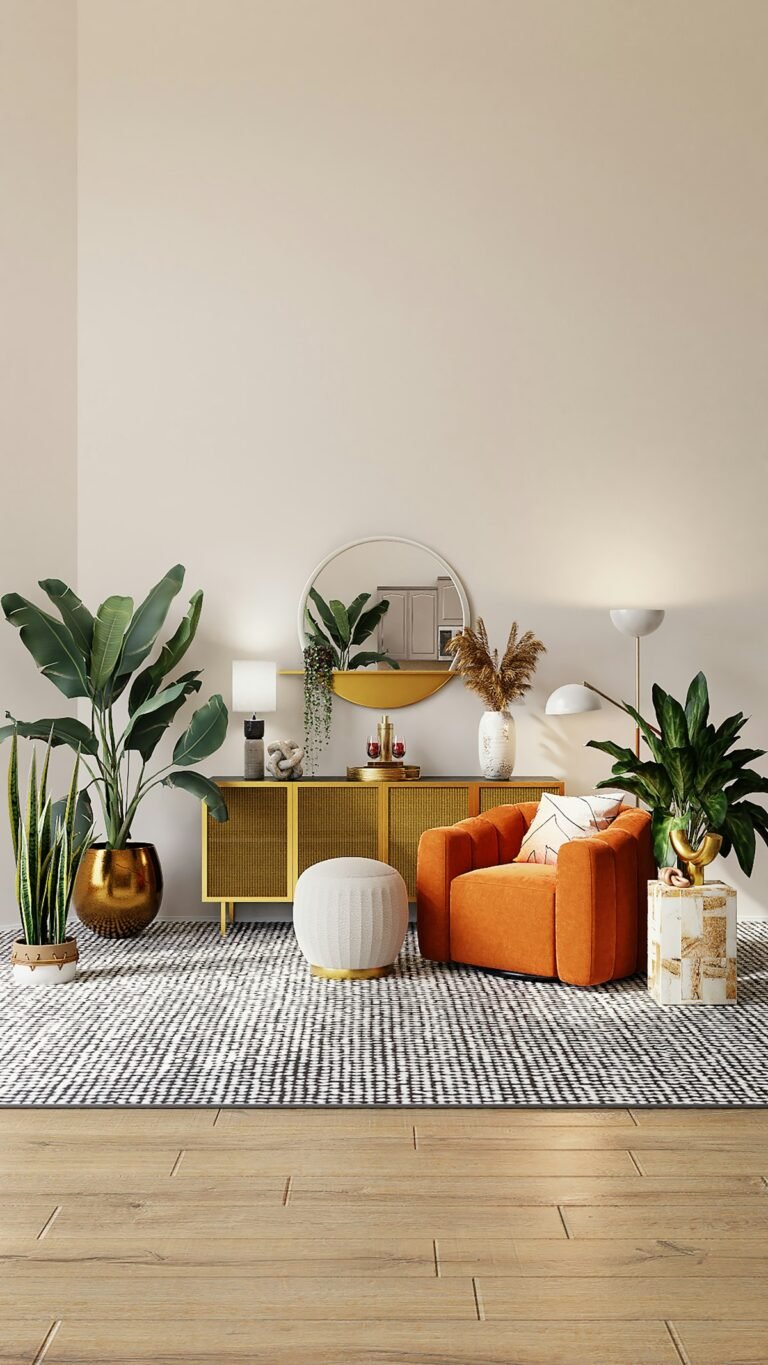
Plants are one of the most affordable ways to elevate a small space. A single tall plant in a corner draws the eye upward, while trailing greenery on a shelf softens hard lines. Beyond their visual appeal, plants make a home feel cared for and alive, adding warmth that furniture alone cannot. If you lack natural light, choose low-maintenance varieties that thrive in shade, so your space stays green without becoming a chore.
Small Space, Big Style
A compact home invites creativity. By maximizing light, choosing furniture that works hard, building upward and editing with intention, you can create a space that feels open, calm and unmistakably yours.
The most successful small spaces share one quality: every element is there on purpose. Approach your home with that mindset, and square footage stops being a limitation and starts being an opportunity to design thoughtfully.
Key takeaway: Small spaces thrive on light, multifunctional furniture, vertical storage and a curated, clutter-free approach. Add a few defined zones and some greenery, and even the most compact home can feel open, calm and full of personality. The constraint becomes the very thing that sharpens your design choices.
About the Author