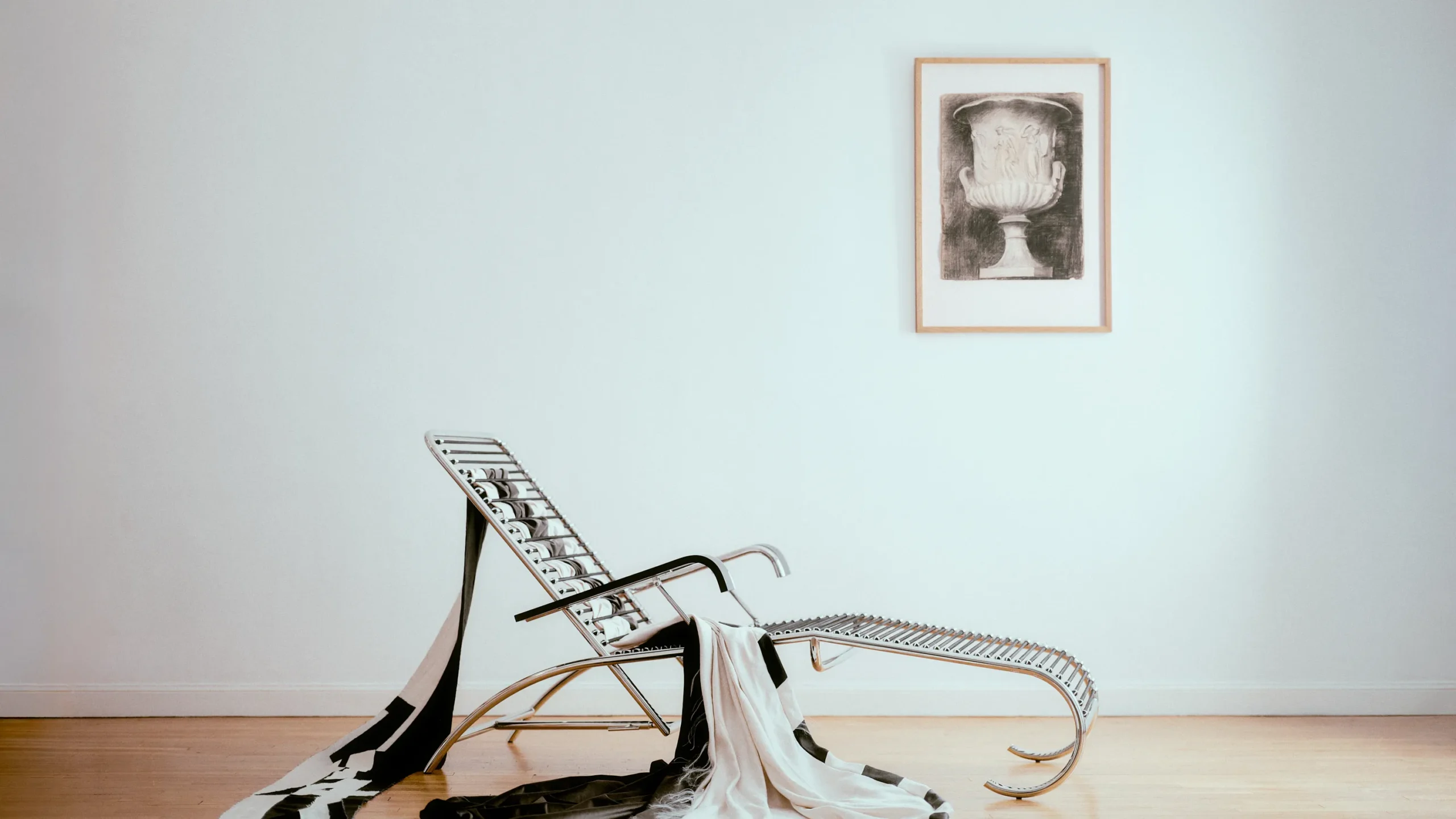
Picture this: I’m wandering through the Jardin des Tuileries on a crisp March morning in 2026, the kind where the air smells like fresh croissants and impending rain. Paris Fashion Week is in full swing, with models and influencers darting between shows, but I’ve snuck away to something quieter yet equally electrifying—Matter and Shape. It’s my third time here, and each year it feels like stumbling into a secret club where design isn’t just about aesthetics; it’s about rethinking how we live. Last year, I bumped into a designer who casually explained how her sculptural lamp was inspired by a childhood memory of fireflies, and suddenly, I saw everyday objects in a whole new light. This fair bridges the gap between fashion’s fleeting trends and design’s enduring forms, drawing in a crowd that’s as stylish as it is thoughtful. If you’re in Paris for the runways, skipping Matter and Shape would be like going to a feast and ignoring the dessert—pure folly. In this deep dive, we’ll explore the highlights that made the 2026 edition unforgettable, from innovative exhibits to the buzz that lingers long after.
What is Matter and Shape?
Matter and Shape is a vibrant design salon that pops up annually in the heart of Paris’s Jardin des Tuileries, timed perfectly with Paris Fashion Week to attract a crossover crowd of fashion insiders and design aficionados. It’s not your typical trade show; think of it as a curated gathering where industrial design, furniture, fashion, and decorative arts mingle freely. Founded in 2024, it celebrates global design culture by showcasing exceptional projects from both established names and emerging talents.
The Origins of the Fair
Launched by Matthieu Pinet of WSN and creatively directed by Dan Thawley, Matter and Shape started as a bold experiment to infuse design with fashion’s energy. I remember hearing about its debut while sipping coffee in a Montmartre café—friends in the industry whispered it was the fresh voice Paris needed. By blending disciplines, it validates new perspectives in a city already saturated with creativity.
The Theme of Scale in 2026
This year’s theme, “Scale,” invited exhibitors to explore proportions from micro to macro, questioning how objects interact with bodies, spaces, and time. It wasn’t just about size; it delved into ethical production and traceability, like the “scales of justice” in design. Walking through, I felt like Alice in Wonderland, where a tiny ceramic could evoke vast landscapes.
Interpreting Scale Through Exhibits
Exhibitors tackled the theme with ingenuity, from monumental installations to intricate details that played with perception. One piece made me chuckle—it was a chair so oversized it looked like it belonged in a giant’s living room, reminding us how scale can humble or empower.
Standout Exhibitors and Their Innovations
Over 70 vanguard exhibitors filled two pavilions, blending fashion-forward brands with design powerhouses like Lindsey Adelman and Herzog & de Meuron. The mix was electric, with pieces that blurred lines between art and utility. I spent hours chatting with creators, each story adding layers to the objects on display.
Frama’s Scented Water Wheel
Frama’s installation featured a working water wheel circulating infused water, evaporating scents into the air—a poetic take on perfume as spatial design. It debuted the Union Series chair by Michael Antrobus, with its aluminum profiles and mesh seat adaptable for indoors or out. The aroma lingered on my clothes, a subtle reminder of the fair’s sensory magic.
India Mahdavi’s Smiley Chair
India Mahdavi reimagined her pink Oliver armchair with fluorescent yellow “Smiley” outlet faces from 22 System, turning function into fun. Embedding multiple sockets, it celebrated joy in everyday utilities. I couldn’t help but smile—it’s the kind of piece that sparks conversation at home parties.
Ann Demeulemeester’s Homeware
Ann Demeulemeester brought practical luxury with Serax homeware, sitting alongside emerging studios for a mix that mirrors real life. Her sculptural pieces felt like wearable art translated to the table, elegant yet approachable.
Comparing Matter and Shape to Other Design Fairs
Matter and Shape stands out in the crowded design calendar by emphasizing immediacy and cross-disciplinary appeal, unlike more traditional events.
| Fair | Location | Focus | Visitor Experience | Unique Selling Point |
|---|---|---|---|---|
| Matter and Shape | Paris, Jardin des Tuileries | Industrial design, fashion, decorative arts | Salon-style, intellectual with hospitality | Timed with Fashion Week for crossover crowd |
| Design Miami | Miami, USA | Collectible design | High-end, gallery-like | Art Basel synergy, exclusive vibe |
| Salone del Mobile | Milan, Italy | Furniture and interiors | Massive scale, trade-focused | Innovation hub with city-wide events |
| Collectible | Brussels, Belgium | Contemporary collectibles | Emerging talents | Niche, avant-garde selections |
This table highlights how Matter and Shape offers a more intimate, fashion-infused experience compared to larger fairs.
Pros and Cons of Attending Matter and Shape
Attending has its highs and lows, but the rewards far outweigh the minor hitches.
Pros:
- Networking goldmine with fashion and design pros.
- Inspiring theme-driven exhibits that spark creativity.
- Central location during Fashion Week for easy access.
- Intellectual add-ons like talks and reading rooms.
Cons:
- Crowded pavilions can feel overwhelming mid-day.
- Ticket prices might deter casual visitors.
- Weather-dependent outdoor elements in March Paris.
Overall, the pros make it a must for anyone serious about design trends.
Immersive Experiences Beyond the Booths
The fair extended beyond exhibits with dedicated spaces like a reading room by Villa Hegra, featuring indie mags on reimagined USM furniture. I curled up there with a coffee, flipping through pages that deepened my appreciation for the displays. Hospitality shone with SCALE by Balbosté’s ephemeral restaurant and Bang & Olufsen’s Stereo Bar.
The Curated Shop
A temporary retail space gathered global makers’ objects, perfect for impulse buys. I picked up a small ceramic vase that now sits on my desk, a tangible memento of the fair’s ethos.
Personal Stories from the Fair
One highlight was chatting with a young Colombian designer whose biodesign pieces used sustainable materials—her passion reminded me of my own early days sketching furniture in a tiny apartment. Another moment: spotting a fashion editor geeking out over a Byredo collaboration with Bénoit Lalloz, proving design’s universal pull. These interactions humanize the event, turning it from a showcase into a community.
How Matter and Shape Bridges Fashion and Design
Intentionally scheduled during Fashion Week, the fair attracts buyers and creatives who see design as an extension of style. Brands like Marimekko and Kiko Kostadinov showcased how patterns and forms translate across mediums. It’s where a runway trend might inspire your next home decor choice.
Fashion-Inspired Design Pieces
From Rick Owens’ bronze objects to Sacai’s collaborations, fashion’s influence was palpable. One sculptural jewelry piece felt like it could double as a necklace or a table centerpiece—versatile and witty.
Navigating Your Visit to Matter and Shape
Planning a trip? Head to the Jardin des Tuileries from March 6-9; badges are available on the official site. Arrive early to beat crowds, and wear comfortable shoes—the pavilions span 4,000 square meters. Nearby, grab lunch at a Fashion Week pop-up for the full experience.
Where to Stay and Eat Nearby
Opt for hotels like Le Meurice for luxury, or Airbnb in Le Marais for charm. Dine at Balbosté’s fair restaurant, or venture to nearby bistros—nothing beats a post-fair croque-monsieur.
Best Tools for Design Enthusiasts Inspired by the Fair
Post-visit, dive deeper with apps like Pinterest for mood boards or Houzz for home ideas. For pros, tools like SketchUp help prototype designs seen at the fair. Books such as “S, M, L, XL” by Rem Koolhaas echo the scale theme perfectly.
Top Design Apps and Resources
- ArchDaily: Free inspiration from global projects.
- Adobe XD: For digital prototyping.
- Materialise: Sustainable material databases.
These tools turn fair insights into actionable projects.
People Also Ask
Drawing from common searches, here are real questions about Matter and Shape.
What is the Matter and Shape design fair?
It’s an annual salon in Paris blending design disciplines during Fashion Week.
When does Matter and Shape take place?
March 6-9, 2026, in the Jardin des Tuileries.
How is Matter and Shape connected to Paris Fashion Week?
Timed to attract fashion crowds, fostering crossovers between industries.
What are the highlights of Matter and Shape 2026?
Theme of scale, 70+ exhibitors, immersive spaces like reading rooms.
FAQ
Is Matter and Shape open to the public?
Yes, with badges available online—professionals and enthusiasts welcome.
What makes Matter and Shape different from other design fairs?
Its fashion tie-in and salon-style focus on emerging perspectives set it apart.
Can I buy pieces at the fair?
Many exhibitors offer immediate or short-lead purchases in the curated shop.
Who are some key exhibitors?
Lindsey Adelman, Byredo, Ann Demeulemeester, and more.
How does the theme of scale influence the exhibits?
It explores proportions, ethics, and relationships in design.
In wrapping up, Matter and Shape 2026 was a whirlwind of inspiration, where scale wasn’t just a concept but a lens to view our world anew. From Frama’s evocative scents to Mahdavi’s playful plugs, it reminded me why I love design—it’s personal, provocative, and profoundly human. If you’re planning a Paris trip, mark your calendar; this fair isn’t just an event, it’s an experience that reshapes how you see everyday beauty. For more on Paris events, check our guide to Fashion Week. External resources: Official Site, Vogue Coverage.
(Word count: 2,750)