Building a stylish wardrobe and staying on budget are not mutually exclusive. In fact, the savviest shoppers often look the most put-together while spending less than you might think. The secret is not chasing the cheapest possible prices, but shopping smarter, so every dollar works harder for your wardrobe.
Here are practical, proven tips to save money on fashion without sacrificing your style.
Shop With a Plan, Not on Impulse
Most overspending comes from unplanned, emotional purchases. A little strategy goes a long way toward keeping your spending in check.

Know What You Actually Need
Before you shop, take stock of your wardrobe and identify real gaps. A short shopping list keeps you focused and helps you resist items that catch your eye but do not fit your needs. Ask whether a potential purchase pairs with at least three things you already own.
Use the Waiting Rule
For anything that is not essential, wait a day or two before buying. This simple pause filters out most impulse purchases. If you still want the item after the wait and it fits your needs, it is far more likely to be a worthwhile buy.
Time Your Purchases and Hunt for Value
When and where you shop can make a dramatic difference to what you pay for the same item.
Shop End-of-Season Sales
Retailers discount heavily at the end of each season to clear inventory. Buying timeless pieces, such as a winter coat in late winter, can save you a significant amount. Since classic items do not go out of style, you can wear them the following year and beyond.
Explore Secondhand and Outlet Options
Thrift stores, consignment shops and online resale platforms are treasure troves of quality clothing at a fraction of retail prices. You can often find barely worn or even new-with-tags items, including designer pieces, for a fraction of their original cost. Buying secondhand is easier on both your wallet and the planet.
Maximize the Value of What You Own
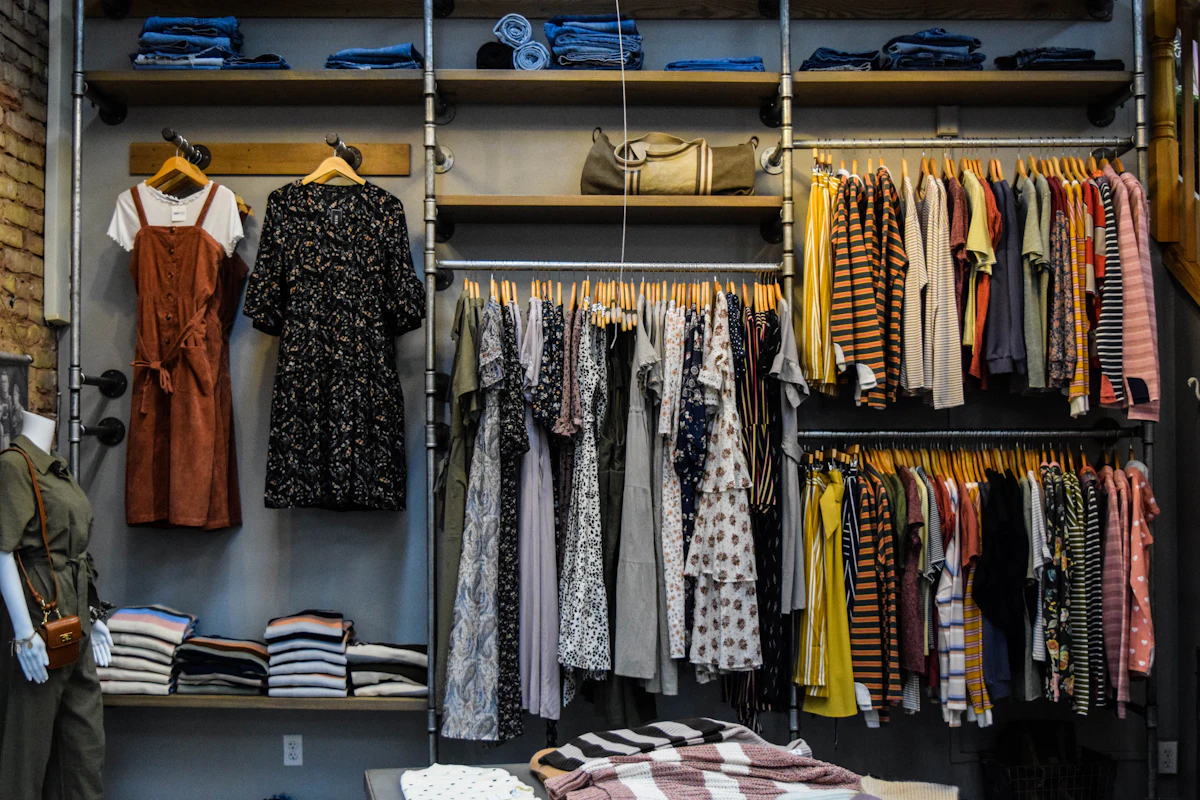
Saving money on fashion is not only about how you buy; it is also about how you care for and use your clothes. Quality garments that you maintain well last far longer, which means fewer replacements over time. Wash clothes gently, repair small issues promptly and store items properly to extend their life.
It also pays to think in cost-per-wear rather than sticker price. A higher-priced coat you wear hundreds of times is better value than a cheap one that falls apart in a season. Focusing on versatile pieces you will reach for again and again stretches your budget further than chasing trends you will quickly abandon.
Use Tech and Tools to Your Advantage
A few simple tools make saving on fashion almost automatic. Price-tracking browser extensions can alert you when an item you want drops in price, and many retailers offer a discount simply for signing up to their newsletter. Comparing prices across sites before you buy takes seconds and frequently uncovers a better deal. Just be careful that sale alerts encourage smarter buying rather than tempting you into purchases you would not have made otherwise.
Sell and Swap What You No Longer Wear
Your closet can help fund itself. Reselling clothes you no longer wear through online platforms or consignment shops recovers some of your original spend, which you can put toward pieces you will actually use. Clothing swaps with friends are another free way to refresh your wardrobe. Thinking of your wardrobe as something that circulates, rather than only accumulates, keeps both your closet and your budget healthier over the long run.
Style on a Smarter Budget
Dressing well is far more about smart choices than a big budget. By shopping with a plan, timing your purchases, exploring secondhand options and caring for what you own, you can build a wardrobe that looks polished and feels personal, all while keeping more money in your pocket.
Spend with intention, buy quality where it counts, and let value guide your decisions. Over time, these habits add up to both a better wardrobe and healthier finances.
Key takeaway: Saving on fashion is about shopping smarter, not cheaper. Buy with a plan, use the waiting rule, time purchases around end-of-season sales, explore secondhand, and care for what you own so it lasts. Think in cost per wear, and resell what you no longer use to keep both closet and budget healthy.
About the Author